
Multilingual Tech Support Around the Clock: Is Your Business Ready?
Let’s face it – customer support isn’t a 9-to-5 thing anymore. With businesses reaching global audiences, providing multilingual tech support around the clock is no longer just nice to have. It’s a must.
Does your business have what it takes to keep customers happy around the world?
Do you worry about losing clients because they can’t get help in their language?
What happens if a customer calls for help at 3 am?
What Is Multilingual Tech Support?
Multilingual tech support means offering assistance in multiple languages so your customers feel understood, wherever they are. It’s about having someone available to solve issues and answer questions without the hassle of language barriers. This is key in today’s global world where a one-language-fits-all approach just doesn’t work.
Why 24/7 Availability Matters
People have questions all the time. Not just during your business hours. Having tech support available 24/7 means:
- Happy customers: They get answers when they need them.
- No lost opportunities: Potential buyers aren’t put off by waiting.
- Global reach: Serving customers in different time zones without limitations.
Businesses that offer tech support around the clock are ready for their customers—always.
Bridging the Language Barrier
No one wants to struggle to understand when they need help. Multilingual services are about making sure people can use their own language, which makes a big difference in how they feel about your business. It’s not just about giving answers; it’s about building trust and comfort.
Key Features of Multilingual Tech Support
What makes multilingual tech support stand out?
- Multiple channels: Chat, phone, and email—offered in different languages.
- AI tools: Translation software and chatbots make responding quicker and simpler.
- Real people: The human touch makes sure no nuance is missed.
Industries That Rely on Multilingual Support
Some industries benefit hugely from multilingual tech support, including:
- E-commerce: Customers want help in their language, especially when buying online.
- Healthcare: Clarity in communication is vital for patient support.
- IT: Tech queries need accurate and timely responses, regardless of language.
How to Set Up Multilingual Tech Support for Your Business
Want to implement multilingual tech support? Here’s how to get started:
- Identify key languages: What languages do your customers speak?
- Use the right tools: Translation software, CRM systems, and support platforms are essential.
- Hire multilingual staff: Make sure they understand both tech and customer needs.
- Automate smartly: Use AI for simple tasks, but always keep human agents for complex issues.
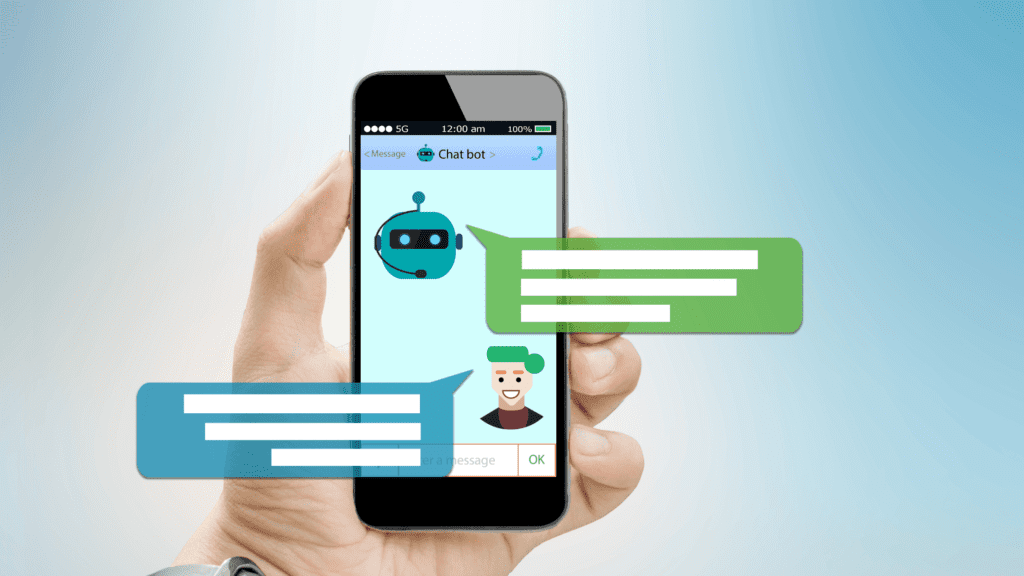
The Role of AI in Multilingual Tech Support
AI is a game changer here. With AI-driven solutions like chatbots, you can:
- Answer simple questions in seconds
- Translate conversations instantly
- Work even when human agents are busy or sleeping
But AI isn’t perfect. It’s great for FAQs, but more nuanced problems still need human touch.
Balancing Automation with Human Interactions
AI makes things fast, but customers still value a personal touch. That’s why having a mix of both is ideal. Use AI for:
- Simple, repetitive queries
- Initial greetings or directions
And bring in real agents for:
- Escalated issues
- Emotional situations
The Challenges of Providing 24/7 Multilingual Support
Sure, it sounds great. But it’s not without challenges. The biggest hurdles include:
- High costs: Staffing around the clock isn’t cheap.
- Staff training: Agents need language skills and technical know-how.
- Technology limitations: Automated translations can sometimes miss the mark.
Cost-Effective Strategies for Multilingual Support
There are ways to cut costs without cutting corners:
- Outsource: Use third-party services for after-hours support.
- Use AI: Handle simple tasks automatically.
- Part-time shifts: Employ part-time agents during peak times.
Tools for Multilingual Tech Support
Some useful tools include:
- Translation software: Like Google Translate, but with higher accuracy.
- CRM platforms: Integrate everything in one place for efficiency.
- Ticketing systems: Keep track of queries, languages, and resolutions.
Multilingual Support for Small Businesses
Even small businesses can benefit from multilingual support. Here’s how it can help:
- Expand your audience without hiring a big team
- Increase customer satisfaction by making people feel valued
- Stay competitive with bigger brands
Global Customer Satisfaction Through Multilingual Support
Happy customers are loyal customers. Being available in multiple languages means they feel understood. It means they feel they matter to you. And that loyalty is what helps businesses grow.

Training Your Support Team
To make tech support successful, you need well-trained people. Here’s how to make sure they’re ready:
- Language training: Make sure they’re fluent, not just competent.
- Tech training: Agents need to know your product inside out.
- Soft skills: Empathy and patience make all the difference.
Real-World Success Stories
Companies like Zendesk have seen success by expanding their multilingual offerings. It’s led to better customer reviews and increased market share, proving that Multilingual Tech Support Around the Clock really makes a difference.
Measuring Success of Multilingual Tech Support
Wondering if it’s working? Track these KPIs:
- First response time: How quickly are questions answered?
- Customer satisfaction: Are customers happy with their support?
- Resolution rate: Are issues getting solved?
The Future of Multilingual Tech Support
AI advancements will continue to play a big role. Expect even more real-time translation features and possibly voice AI that doesn’t need a middleman. The goal? Even smoother and faster support for customers worldwide.
Common Misconceptions About Multilingual Support
Some think that multilingual support is:
- Too costly: But the right strategy can keep costs down.
- Too complicated: Tools today make implementation easier than ever.
How Multilingual Support Enhances Business Reputation
Providing support in multiple languages boosts credibility. It shows you care about all your customers, not just the ones who speak your language. This kind of care builds trust, and trust builds lasting business relationships.
Multilingual Support for Crisis Management
In times of crisis, clear communication is essential. Multilingual support ensures everyone gets the message—no misunderstandings, no confusion.
Choosing the Right Service Provider
If you’re outsourcing, make sure you:
- Check their expertise in your industry
- Look at response times and guarantees
- Ensure they have multilingual capabilities relevant to your customer base
Building Long-Term Relationships with Global Customers
Customers want to know you’re there for them. By providing multilingual tech support, you’re doing just that, being available, whenever they need you, in the way they need.
FAQs
Multilingual tech support provides customer assistance in multiple languages to meet global customer needs.
It ensures customers get help when they need it, regardless of time zones, boosting satisfaction and loyalty.
Not necessarily. AI tools, part-time shifts, and outsourcing make it affordable.
AI handles simple queries instantly and provides initial responses, speeding up the support process.
Conclusion
Providing Multilingual Tech Support Around the Clock isn’t just about keeping up, it’s about leading. It builds trust, expands reach, and drives growth. Ready to take your customer service to the next level? Start thinking global, and make sure you’re always there for your customers, no matter the language or the hour.