

Ever feel like your customer support costs are spiraling out of control while trying to implement cost-effective multilingual support solutions?
You’re not alone.
Businesses expanding globally hit the same wall, how do you offer cost-effective multilingual support solutions without burning through cash?
Good news: There’s a way to do it smart. Cost-effective multilingual support solutions exist. You just need the right strategy.
Let’s break it down.
Why Multilingual Support Matters (Even If You’re a Small Business)
Here’s the deal:
Customers want help in their language.
Numbers don’t lie:
- 75% of customers prefer buying from websites in their language.
- 60% rarely or never buy from English-only sites.
- Customer satisfaction jumps when support speaks their language.
Ignoring this means losing sales. Simple as that.
But hiring an in-house team fluent in 10+ languages? That’s a money pit.
So how do you get high-quality, cost-effective multilingual support solutions without going broke?
Let’s talk strategy.
Cost-Effective Multilingual Support: The Smart Playbook
Big corporations throw money at the problem.
You? You need efficiency.
Here’s how to build a lean, cost-effective multilingual support system:
1. Leverage AI & Automation (But Keep It Human)
AI translation tools are game-changers.
But they’re not perfect.
What works:
- Chatbots: Handle FAQs in multiple languages 24/7.
- AI-powered translation tools: Instant responses with human oversight.
- Voice AI for call support: Cuts costs while keeping service top-notch.
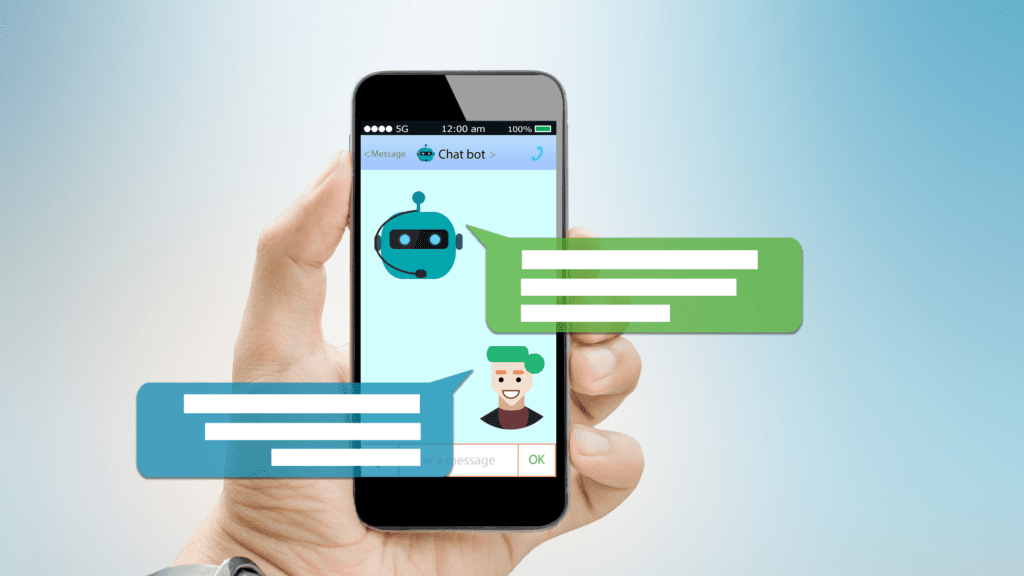
Pro Tip: Use automation for first-line responses, but always have human agents for complex issues. Balance is key.
- Avoid relying entirely on AI. It saves costs but might damage customer relationships if misused.
- Personalization is key. AI should enhance, not replace, human support.
- Test different AI solutions. Not all tools are created equal—choose wisely based on accuracy and ease of integration.
- Ensure multilingual consistency. AI translations need review by native speakers to maintain brand tone.
2. Outsource Smart: Pay for What You Use
Full-time multilingual support teams? Expensive.
Outsourcing? A game-changer.
Options to consider:
- Freelance agents: Pay per ticket.
- BPO services: Scale up or down as needed.
- Customized multilingual back-office services: Get support tailored to your exact needs. (Read more here)
Pro Tip: Look for providers with flexible pricing models. Hourly rates? Meh. Pay-per-resolution? Way better.
- Track performance metrics. Measure efficiency and optimize spending.
- Train outsourced agents properly. Brand voice consistency is non-negotiable.
- Choose providers with localized experience. A one-size-fits-all approach doesn’t work.
- Run small-scale tests before committing. This helps avoid costly missteps.
3. Self-Service: Give Customers the Power
Not every query needs a human.
A killer self-service portal can slash support costs by up to 30%.
What to include:
- Multilingual FAQs
- Video tutorials
- Knowledge base with AI-powered search
Pro Tip: Make your help articles easy to find. Customers shouldn’t need detective skills to get answers.
- Localize, don’t just translate. Adapt content for cultural nuances.
- Use customer feedback to improve your knowledge base.
- Integrate self-service with live support. Offer escalation options when needed.
- Ensure mobile accessibility. A poor mobile experience leads to lost customers.
4. Hire Bilingual Agents
Two birds. One stone.
A bilingual agent = support in two languages for the price of one.
Pro Tip: Prioritize hiring agents who speak your most in-demand languages first. Don’t try covering everything at once.
- Train agents to handle cultural differences. Language is just part of the puzzle.
- Use translation tools for quick reference. They help agents assist in secondary languages.
- Encourage cross-training. Agents fluent in multiple languages create more flexible teams.
- Offer retention incentives. Keeping skilled multilingual agents reduces turnover costs.

5. Streamlined Multilingual Support Operations
If you’re juggling support across multiple markets, coordination is everything.
What helps:
- Cloud-based ticketing systems (Zendesk, Freshdesk, etc.)
- Real-time translation tools (DeepL, Google Translate API)
- Localized scripts and canned responses
Pro Tip: Use a centralized system so nothing slips through the cracks. Read more about streamlined multilingual support operations.
- Ensure smooth agent collaboration. Miscommunication costs time and money.
- Optimize response times. Automated workflows can handle language routing efficiently.
- Run multilingual quality assurance checks. Consistency matters.
- Implement regular feedback loops. Data-driven improvements enhance support effectiveness.
FAQs: The Stuff You Were About to Google
A mix of AI chatbots, self-service, and part-time freelancers gives you the best bang for your buck.
For basic responses? Yes.
For complex issues? Not even close. You’ll need human oversight.
Check your customer base analytics. Prioritize the top 3–5 languages based on sales, traffic, or inquiries.
Start small.
– Outsource a few agents.
– Use AI to handle common queries.
– Build a multilingual knowledge base.
Scale up when needed
Key metrics to track:
– Customer satisfaction scores (CSAT).
– First-response resolution rate.
– Average handling time (AHT).
Customer retention rates by language.
Final Thoughts
Cost-effective multilingual support solutions don’t have to be expensive.
But going cheap? That’s a mistake.
The key is balance, automation where possible, humans where necessary.
Want to build cost-effective multilingual support solutions that actually work?
Start small, automate smart, and scale up when needed.
That’s how you win.