

As we move into an era where artificial intelligence (AI) is reshaping industries, Teleperformance’s recent implementation of AI-driven accent translation technology in its Indian call centers has sparked a debate of sorts.
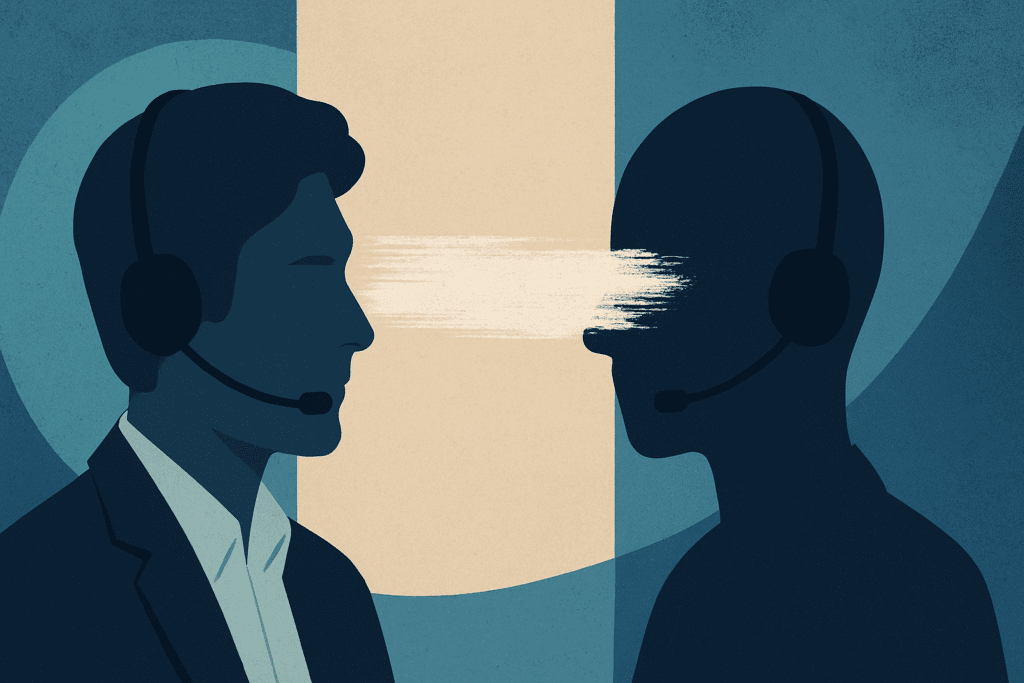
This technology, developed in collaboration with Palo Alto-based startup Sanas, aims to “neutralise” the accents of English speaking Indian customer service agents in real-time, with the aim of enhancing communication clarity and customer satisfaction. Whilst the utilisation of such technology presents significant economic and operational advantages, it also raises huge ethical concerns regarding cultural identity, bias, and workforce implications.
The initial benefits look good
From a pure business perspective, the introduction of such technology offers clear advantages. By modifying accents to align more closely with those of Western customers, the potential for miscommunication is reduced, leading to shorter call durations and improved first-call resolution (FCR) rates. This can result in significant cost savings for companies by reducing the time agents spend on calls, minimising the need for escalations. Moreover, improved customer satisfaction can lead to increased loyalty and repeat business.
This technology also reduces the need for extensive language training for non-native English speakers. Historically, companies have invested heavily in accent reduction programs for call centre agents to make them more intelligible to international customers. With AI handling this in real-time, businesses can cut down on training costs while still achieving their desired outcome. The cost benefits extend even further – fewer escalations mean reduced stress on higher-tier customer service teams, allowing businesses to allocate resources more strategically.
Is erasure ethical?
Whilst cost savings are a big tick in the box; no doubt such technology raises questions over the ethics of erasing one of the essences that makes us human – the way we speak.
Some critics argue that altering an agent’s natural accent may perpetuate biases against non-native English speakers, suggesting that certain accents are less acceptable or professional. This practice could be perceived as a form of cultural erasure, undermining the rich linguistic diversity that global teams bring to the table.
Additionally, there are concerns about the impact on agents’ identities and morale. Modifying their accents might imply that their natural way of speaking is inadequate or problematic, potentially leading to feelings of inferiority or the removal of their cultural roots. If AI normalises the suppression of linguistic diversity, it risks reinforcing the idea that certain accents are inherently more desirable than others.
A deeper concern is whether the use of AI in this manner reinforces biases in hiring and customer service expectations. If companies prioritise “neutral” accents over authentic, regionally diverse speech patterns, it may discourage companies from investing in language inclusivity training or nurturing a culture that celebrates diverse linguistic backgrounds. The unintended consequence? A Western-centric communication standard that could marginalise workers from non-Western regions.
The balancing act
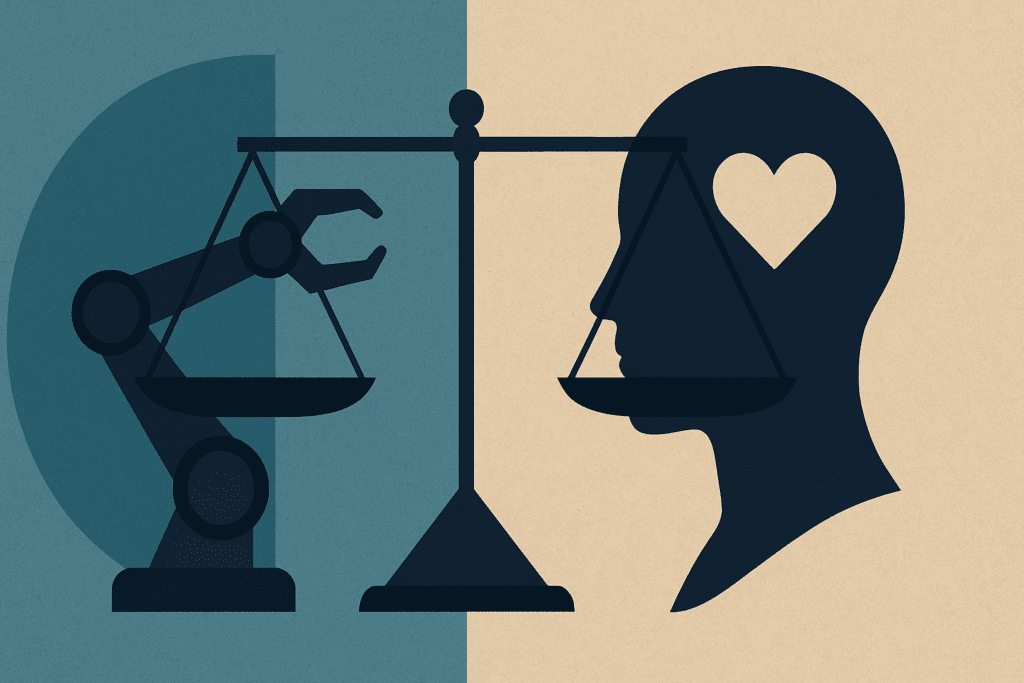
The million dollar question, how do we balance technological advancements with ethical responsibility? Well, while the primary goal of businesses is to enhance customer experience and operational efficiency, it is imperative to consider the broader societal implications of such technologies. Businesses must engage in open dialogues with their employees, stakeholders, and customers to navigate the complexities surrounding AI applications in the workplace.
Here are some things to consider:
- Offer accent-neutralising AI as an optional tool rather than a mandatory requirement.
- Give employees the choice to use the technology so that they can retain a sense of control over their professional identities.
- Prioritise cultural competency training alongside AI adoption, emphasising that diverse accents are not a barrier to excellent customer service but rather a reflection of a global workforce.
Conclusion
Teleperformance’s initiative to integrate AI for accent neutralisation epitomises the double-edged sword of technological progress. While it offers tangible benefits in terms of efficiency and customer satisfaction, it also challenges us to reflect on the ethical consequences of such innovations. As AI continues to shape the workforce, companies must weigh cost savings against the cultural and human implications of their choices.
AI should be a tool for empowerment, not erasure. If businesses wish to truly embrace the future of work, they must ensure that technological progress enhances inclusivity rather than diminishing it.
If you’re exploring how to deploy AI technology in a way that’s both innovative and ethical, drop us a line. We’re here to help you build solutions that make business sense – and human sense too.