
Introduction
How many times have you been left hanging, waiting for customer support, just because you weren’t speaking the “right” language? Or maybe it’s the middle of the night, and you need help right now, not in eight hours’ time. That’s where all hours multilingual customer service comes in.
In today’s world, where business doesn’t sleep, neither should support.
Your customers are global, and they expect to be heard, in their own language, whenever they need help.
Understanding Multilingual Customer Service
So, what does “multilingual customer service” really mean?
Simply put, it’s customer support that works in different languages.
But there’s more to it.
It’s about understanding your customer, no matter where they’re from, and speaking to them, literally, in a way they understand.
This type of service goes beyond basic translation; it means having the tools and people in place to provide consistent, high-quality help to everyone, no matter the language barrier.
Why Multilingual Support Matters
If you’re expanding into new markets, multilingual support is not just an option, it’s a must.
Imagine you’re launching in Italy, and your new customers can’t get help in Italian.
That’s a recipe for frustration.
Providing multilingual support:
- Makes customers feel valued.
- Builds loyalty and trust.
- Boosts satisfaction and keeps people coming back.
It’s about creating a welcoming environment that says, “We get you.”
The Challenges of Implementing Multilingual Customer Service
Let’s get real for a second.
Implementing multilingual customer service all hours isn’t without its challenges.
You’ve got to deal with:
- Costs: Hiring skilled staff or outsourcing can be pricey.
- Resources: Not every business has the tech or the team ready to tackle multilingual needs.
- Training: Your team needs ongoing training to stay effective.
But if you do it right, the payoff is huge.

The Role of AI in Multilingual Support
AI is changing the game.
We’re talking translation tools, chatbots, and automated replies that can handle basic queries in multiple languages.
AI doesn’t just translate, it understands context, which means better support for your customers.
And when you’ve got automation cutting down response times, it’s a win for everyone.
Cultural Sensitivity in Customer Service
It’s not just about language.
Cultural sensitivity matters.
You need to understand how customers from different backgrounds might approach a problem.
Showing cultural awareness helps your customer feel understood and respected.
It’s a huge factor in making multilingual support effective.
Key Industries Benefiting from Multilingual Service
Multilingual customer service isn’t just for one type of business.
Industries like:
- E-commerce: International customers need support during their buying journey.
- Healthcare: Medical support should be accessible in a patient’s language.
- Travel: People book trips and need help from anywhere, anytime.
All see major gains from multilingual support.
Customer Expectations for 24/7 Availability
People want instant help.
Not tomorrow, not next week.
And it’s not just about the language, it’s about being there whenever your customer needs you.
Having multilingual customer service all hours builds trust because customers know they won’t be left waiting.
Training for Multilingual Customer Service Teams
Training is key.
It’s not enough to know a language; your team needs the right communication skills.
Ongoing training keeps staff up to date and ready for anything.
That’s where tools, practice, and real-world scenarios make all the difference.
The Power of Real-Time Translation Tools
Real-time translation tools make life easier for both your team and your customers.
They bridge language gaps and speed up communication.
Think tools like Google Translate for customer servicem, but more advanced, faster, and tailored for real customer conversations.
Hiring Multilingual Staff: Best Practices
To provide solid multilingual support, you need the right people.
Here’s how:
- Look for skilled communicators: Not just speakers of another language, but good communicators.
- Offer incentives: Competitive pay and opportunities for growth help retain talent.
The Role of Outsourcing in 24/7 Multilingual Support
Outsourcing is an option for multilingual, round-the-clock support.
It can be cost-effective, especially if hiring in-house is out of reach.
But it comes with challenges, like making sure third-party providers meet your standards.
Always weigh the pros and cons carefully.
Technology Infrastructure for 24/7 Service
Having the right tech is crucial.
Think about your platforms, are they set up for global support?
Communication tools, CRM systems, and integration are key to a smooth customer experience.
Ensuring Quality Across Languages
Quality matters.
You want consistency across languages, so:
- Monitor and evaluate: Keep track of service levels across languages.
- Quality assurance: Use metrics and feedback to keep improving.
Legal and Compliance Considerations
Operating globally means following different rules.
Ensure your multilingual service is compliant with regulations, including data privacy laws like GDPR.
Ignoring compliance can lead to big headaches down the road.
The Cost of Multilingual Customer Service
Is it expensive?
Sure, it can be.
But consider the return.
More satisfied customers mean more business.
There are also ways to keep costs manageable:
- Outsourcing strategically.
- Using AI and automation.
- Hiring flexibly.
Case Studies of Success
Look at businesses like Airbnb or Amazon, they’ve excelled in multilingual, 24/7 customer service.
Their success speaks volumes about how powerful it is to connect with customers in their own language.
Best Practices for Small Businesses
Even small businesses can get in on multilingual support.
Affordable tools and strategic outsourcing can make it happen.
For example:
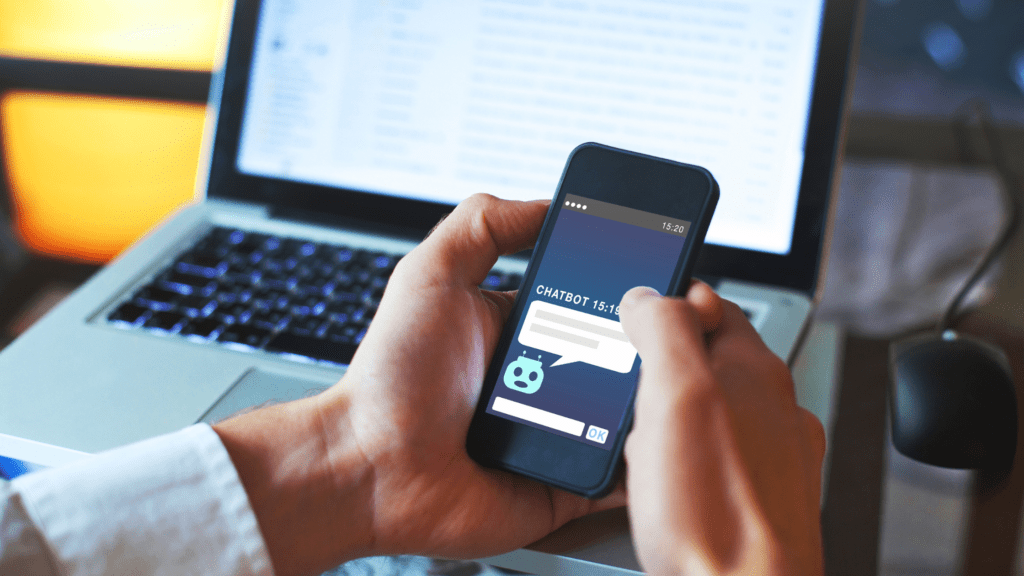
- Chatbots: These offer instant, basic support in multiple languages.
- Partner with agencies: Let them handle parts of your support that need multilingual capabilities.
The Future of Multilingual Customer Support
The future is all about AI, automation, and meeting customers where they are.
Expect more personalized support, faster responses, and deeper integration with everyday tech.
How to Measure Success in Multilingual Support
You need to know if it’s working.
Metrics like:
- First response time.
- Customer satisfaction (CSAT).
- Net Promoter Score (NPS).
These help you understand what’s working and what needs fixing.
The Role of Language Localization in Customer Experience
Localization goes beyond just translating words.
It means adapting to cultural preferences, making sure your customer feels that personal touch.
It can be the difference between just okay and great service.
The Importance of Feedback in Improving Service
Customer feedback is gold.
Collect it in every language you serve.
Use it to find gaps and make your multilingual customer service even better.
Building a Scalable Multilingual Customer Service Model
Scalability matters as you grow.
Plan for expansion by:
- Training staff for more languages.
- Leveraging tech that grows with you.
Be ready to adjust as you reach new markets.
FAQs
Multilingual support helps businesses connect with global customers, improving satisfaction and loyalty.
Costs, resources, and training are some of the biggest challenges businesses face.
AI tools provide instant translations and automated support, making communication faster and more efficient.
Conclusion
Multilingual customer service all hours is a game-changer for any business looking to grow globally.
It’s about meeting customer needs, building trust, and standing out in a crowded market.
If you want to be there for your customers, whenever, wherever, and in whatever language they speak, it’s time to make multilingual support a priority.
Ready to take your customer service to the next level?