Managing a project in one language is already challenging enough. Now imagine managing projects across multiple countries, languages, and cultures. The complexity increases exponentially. This is where multilingual project management support becomes essential.
If you are handling projects across different countries or managing a team of international freelancers, multilingual project management support is exactly what you need to keep things running smoothly.
Here’s the reality:
- Misunderstandings due to language barriers can severely impact productivity and morale.
- Cultural differences can create tension and misalignment within the team.
- Poor communication often leads to missed deadlines, confusion, and costly mistakes.
When you integrate strong multilingual project management support into your workflow, you transform potential chaos into a streamlined and efficient process.
What Is Multilingual Project Management Support?
Multilingual project management support refers to the systems, processes, and resources that enable you to manage projects effectively across different languages and cultures.
It includes:
- Accurate translation of project-related communications.
- Facilitating clear communication between team members who speak different languages.
- Ensuring that all project details, instructions, and feedback are understood, regardless of the language.
- Maintaining cultural sensitivity to avoid potential conflicts or misunderstandings.
With the right multilingual project management support, you reduce the risk of errors, increase efficiency, and improve overall project outcomes.
Why Multilingual Support Is a Must-Have for Global Projects
If your projects involve clients, stakeholders, or team members from different countries, it is essential to provide multilingual support.
Here’s why multilingual project management support matters:
- Smoother Communication – Effective translation and language support eliminate the risk of miscommunication.
- Increased Productivity – When communication is clear, your team can work more efficiently and avoid costly mistakes.
- Better Client Relationships – Clients feel more valued and engaged when you communicate with them in their native language.
- Stronger Teamwork – Multilingual project support helps build trust and collaboration among international team members.
Without multilingual project management support, you risk damaging client relationships, missing deadlines, and increasing project costs.
How to Set Up Multilingual Project Management (Without Losing Your Mind)
Setting up multilingual project management support does not have to be complicated. Here are the key steps to get started:
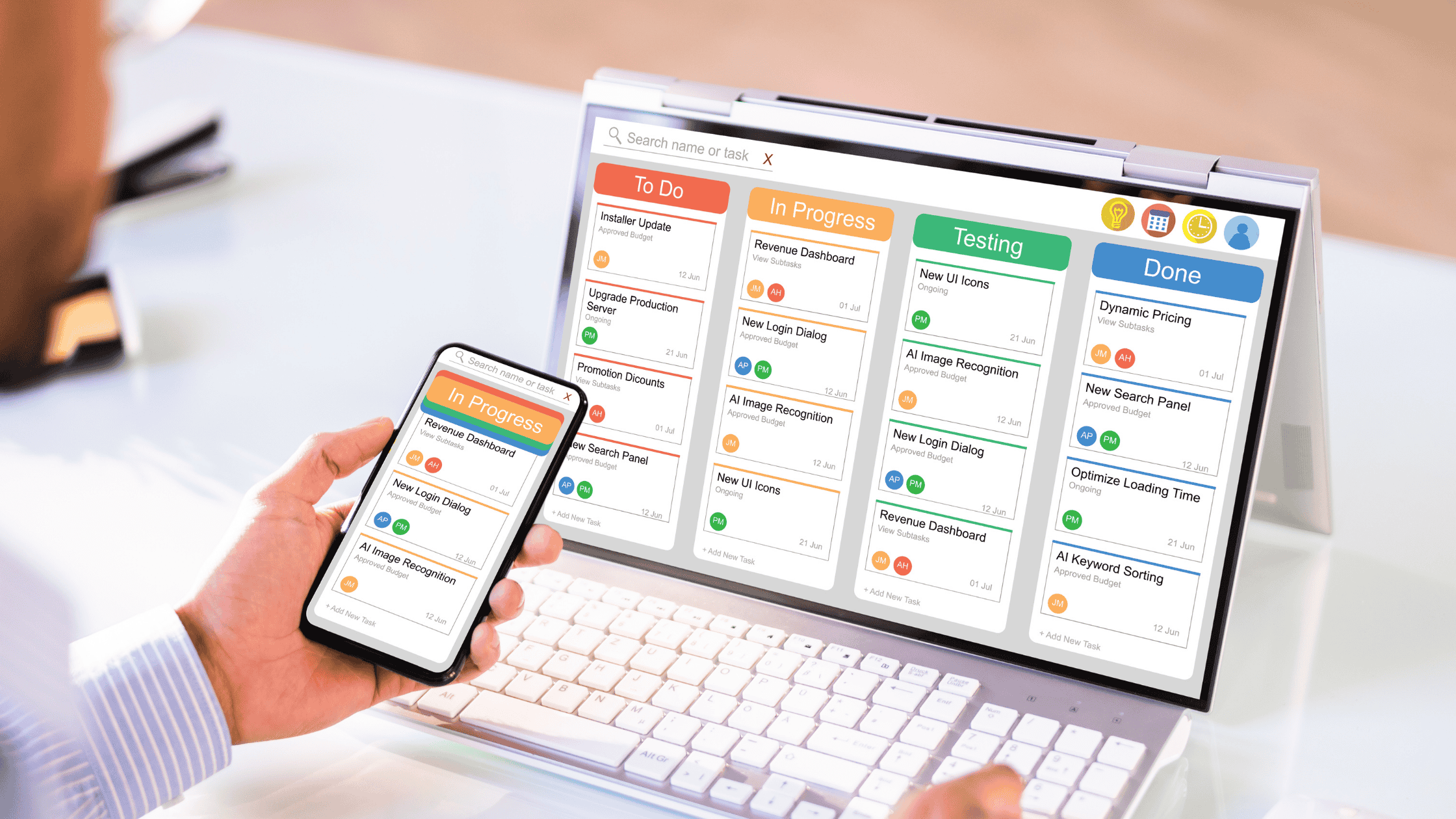
- Use a Centralised Project Management Tool Platforms like Asana, Trello, and Monday.com offer multilingual support and allow you to keep all project-related communications, tasks, and documents organised.
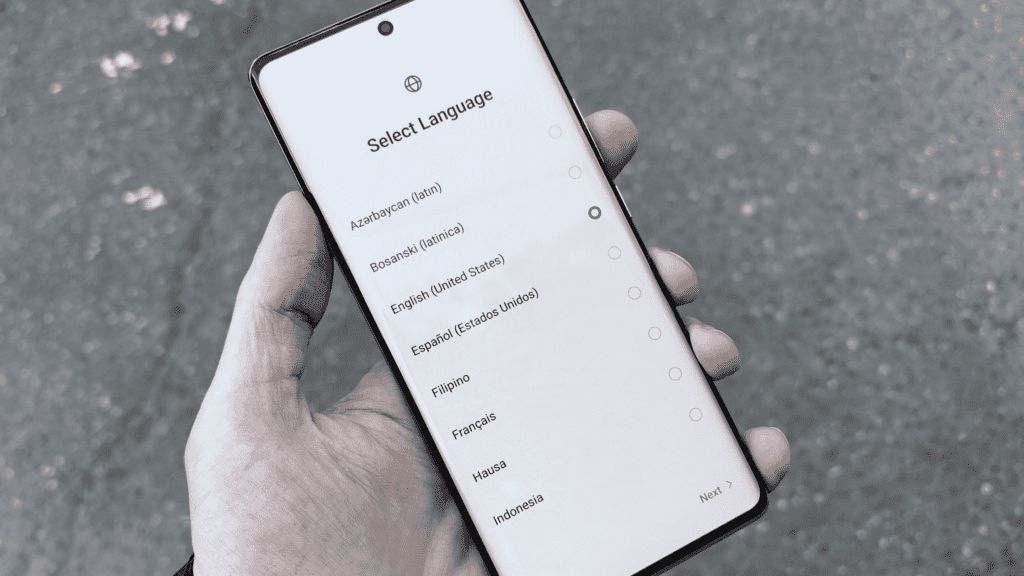
- Set Up Translation Processes While automation tools can help with basic translation, you should always have a human review to ensure accuracy and cultural appropriateness.
- Create Multilingual Templates Develop standard templates for common project communications in all the languages you need to support. This will save time and reduce the chances of miscommunication.
- Hire Multilingual Staff If possible, hire team members who are fluent in the languages you need to cover. This will improve communication and reduce misunderstandings.
- Outsource When Necessary If hiring multilingual staff is not feasible, consider outsourcing to a professional agency that offers data entry services in multiple languages. This will ensure that your project data is consistent and accurate.
- Provide Language-Specific Training Do not assume that everyone knows how to use the tools or understands the project flow. Provide training and guidelines in multiple languages to ensure that everyone is on the same page.
Common Challenges in Multilingual Project Management (And How to Fix Them)
Managing multilingual projects comes with its own set of challenges. Here are the most common ones and how you can solve them:
1. Miscommunication Due to Poor Translation
- Fix: Use professional translators for critical documents and communications rather than relying on automated tools.
2. Cultural Differences Causing Tension
- Fix: Provide cultural sensitivity training and encourage open communication to resolve conflicts.
3. Time Zone Clashes
- Fix: Use scheduling tools that automatically adjust to different time zones and set clear expectations for response times.
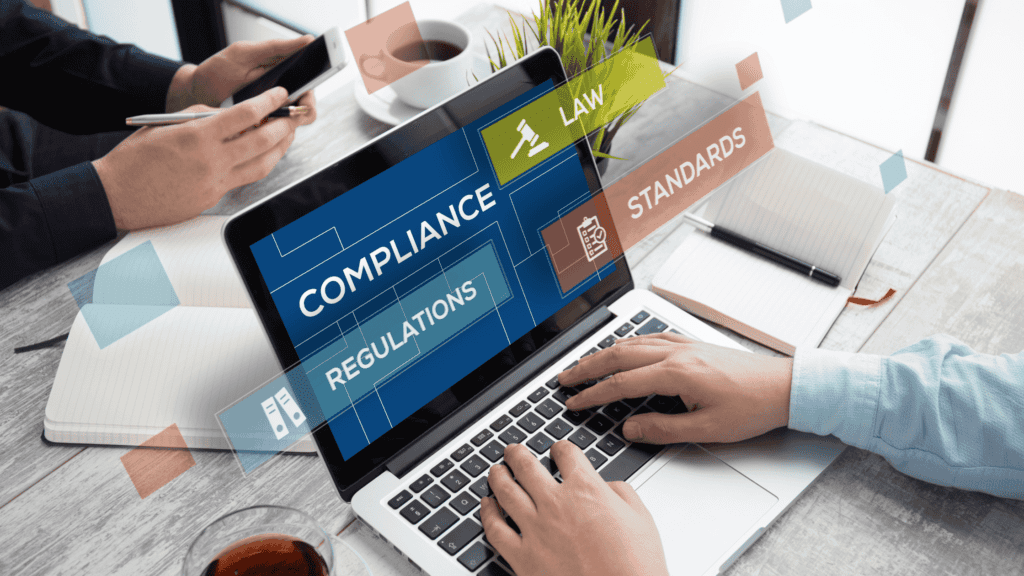
4. Language-Specific Legal or Compliance Issues
- Fix: Work with a multilingual legal team to ensure that your project complies with local regulations and requirements.
The Role of Multilingual IT Support in Project Management
Your project management system is only as effective as the technology behind it. This is where multilingual IT support solutions play a crucial role.
Multilingual IT support includes:
- Fixing technical issues and bugs in the native language of your team.
- Providing real-time support to resolve tech problems quickly and effectively.
- Ensuring that all software and project management tools function properly across all language versions.
By integrating multilingual IT support into your project management strategy, you minimise the risk of technical disruptions and keep your team focused on delivering results.
Real-Life Example: How Multilingual Project Support Transformed a Global Campaign
A UK-based marketing agency was tasked with launching a global campaign across Europe, Asia, and South America.
The initial stages of the campaign were chaotic:
- Campaign details were misunderstood due to poor translations.
- Team members missed deadlines because they were unclear on the project’s objectives.
- Client feedback was lost in translation, creating frustration on both sides.
The agency resolved the issues by:
- Hiring a dedicated multilingual project manager.
- Setting up clear project guidelines and communication templates in all major languages.
- Bringing in a multilingual IT support team to handle technical issues.
The result?
- The campaign launched on time.
- Client feedback was processed accurately and promptly.
- The agency maintained strong relationships with international clients.
How to Choose the Right Multilingual Project Management Support
Not all multilingual project management solutions are created equal. Here is what to look for:
- Native-level language support – Ensure that the team has native fluency in the required languages.
- Experience with Similar Industries – Industry-specific terminology matters. Make sure the support team understands the language of your sector.
- Fast Response Time – Delays can derail a project. Choose a support provider with a proven track record of quick responses.
- Data Protection and Compliance – Multilingual project management involves handling sensitive data. Ensure the provider complies with data privacy regulations.
- Multilingual IT Support – Having technical support available in multiple languages prevents unnecessary downtime and confusion.
FAQs About Multilingual Project Management Support
Machine translation tools like Google Translate are useful for quick checks, but they are not reliable for business-critical communications. They often miss context, tone, and nuance, leading to miscommunication and mistakes.
The cost depends on several factors, including: the number of languages involved, the size and complexity of the project, whether you hire in-house staff or outsource to a specialised agency.
While it may seem expensive, the cost of
multilingual support is often lower than the cost of fixing project errors caused by miscommunication. Not necessarily. Many companies use a hybrid model, where they have an internal project manager supported by an outsourced multilingual team.
Assuming that everyone understands English well enough to manage complex projects. Even if team members speak English, working in their native language reduces errors and improves overall efficiency.
Final Thoughts
Multilingual project management support is no longer a luxury; it is a strategic necessity for global businesses. If you want to expand your reach and operate smoothly across different markets, you need to get the language part right.
Strong communication, culturally aware teams, and the right tools will make a measurable difference in your project outcomes.
Investing in multilingual support today will prevent chaos and inefficiency tomorrow.